
Dominican Republic
Where the music never stops
The Dominican Republic is much more than a Caribbean beach destination. It is a country where music is part of everyday life, where celebrations are never far away, and where the landscapes change from white sand to mountain forest in a couple of hours.
In the heart of the Caribbean, Spanish, African and Taíno influences have grown together into something you can hear in the music, see in the dancing and taste at the table.
The birthplace of merengue and bachata
Two of the most popular Latin dances in the world started here. Both are rooted in Dominican identity and both have become cultural symbols far beyond the island.
UNESCO lists merengue and bachata as Intangible Cultural Heritage of Humanity. They are not only dances: they are how people tell each other about everyday life, emotion and belonging.
A country that lives through music
Music is everywhere. Traditional merengue típico, romantic bachata, salsa, son and contemporary dembow all run side by side, and they bring generations together rather than dividing them.
In the colmado on the corner, at a family gathering, in the street or in a club, music is simply part of the day.
A Caribbean paradise
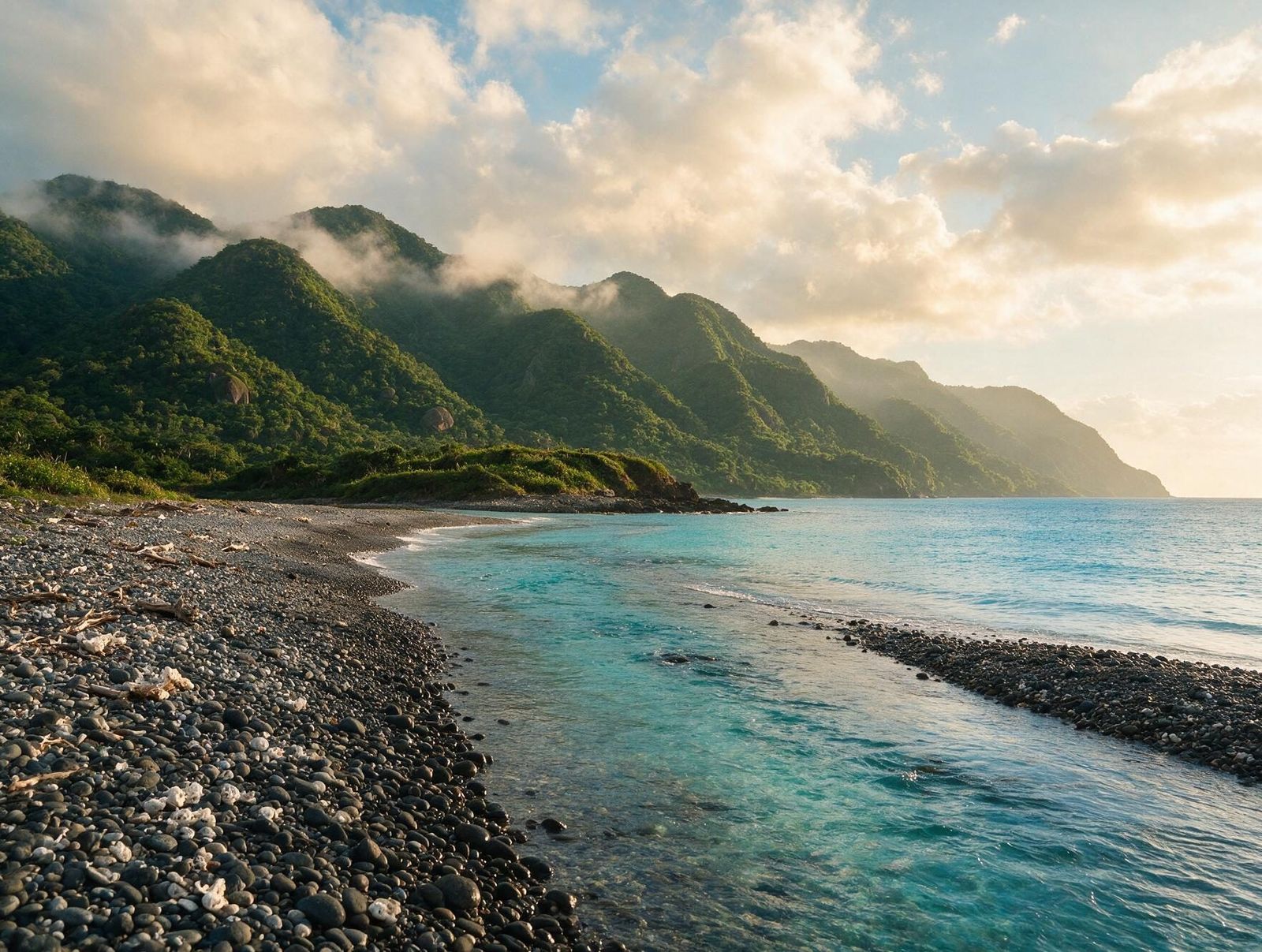
With more than 1,600 kilometres of coast, the country has some of the most spectacular beaches in the Caribbean, with clear water and tropical light.
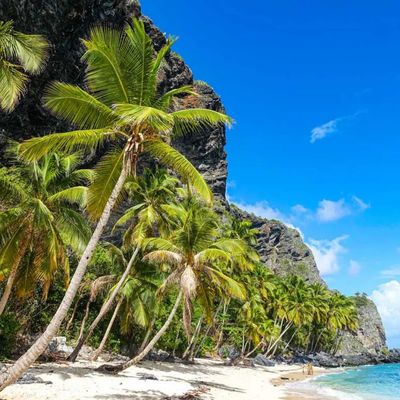
From the turquoise of Punta Cana and the white sand of Samaná to the untouched Bahía de las Águilas, no two stretches of this coast look the same.
Mountains, waterfalls and tropical nature
Away from the beaches the country is surprisingly mountainous. Pico Duarte, the highest mountain in the Caribbean, is here, along with national parks, tropical forest, rivers and waterfalls.
That variety makes it as much a place for walking and for nature as for the coast.
A rich cultural heritage
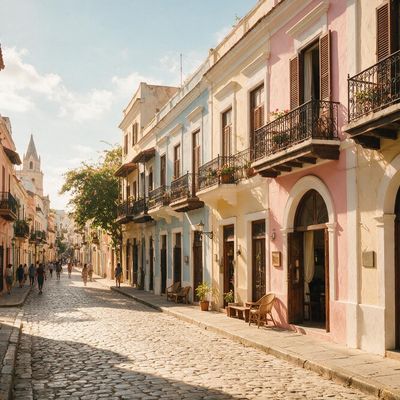
Taíno, African and European history have all left their mark. The Colonial Zone of Santo Domingo is the oldest continuously inhabited European settlement in the Americas, and from there the country runs out into fishing villages and rural communities that live at a different pace.
The traditions, the architecture, the crafts and the local festivities tell the story of a culture that is deeply rooted and still moving.
Carnival and celebration
Dominican celebrations are known for their energy, colour and invention. Carnival runs through February and fills the streets with costumes, traditional characters, music and dancing.
Every region has its own version. The carnival of La Vega is one of the best known in the country.
The warmth of the people
Dominicans are known for being open, friendly and quick to laugh. Family, music and dancing hold a real place in daily life, and visitors are usually met with curiosity rather than distance.
For most people who travel here, those encounters turn out to be the part they remember.
What you will eat
Dominican cooking mixes Taíno, African and Spanish influences with Caribbean ingredients. La Bandera Dominicana is rice, beans and meat; mangú is mashed plantain; sancocho is a stew you eat slowly. Mofongo, tostones and fresh fish are everywhere.
Mango, papaya, chinola, guanábana and coconut are everyday fruit here, and Dominican coffee and cacao are serious local products. From a family kitchen to a roadside stand to a plate of fish by the water, the food is generous and has character.
The dances you will discover
Dominican bachata, which is social, free and led by the music. Merengue, direct and connected, and rooted in everyday life. Dembow, urban and very much of this moment.
And salsa and Dominican son, which are social and cultural as much as they are dances, and an important part of the musical heritage of the country.
How people dance here
Everyone has their own style. The connection is natural rather than controlling, and improvisation is normal. The idea is to adapt to the music, not to run through a set sequence of moves.
That is also why the floor is open to everyone. Nobody is waiting for you to perform a figure correctly.
What you will take home
A better ear for the music and the confidence to follow it. The ability to adapt to a rhythm you have not heard before, to let go a little, to improvise, and to connect with someone else through dance.
That is the part that stays with you after the suntan has gone.
De plekken waar we terugkomen
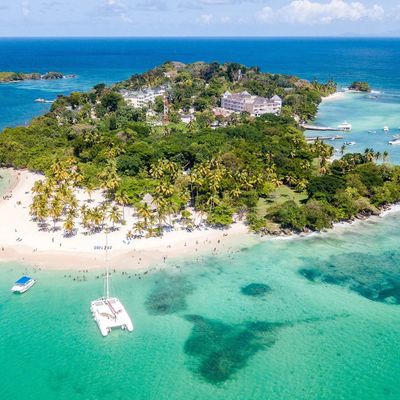
Barahona
De reizen naar dit land
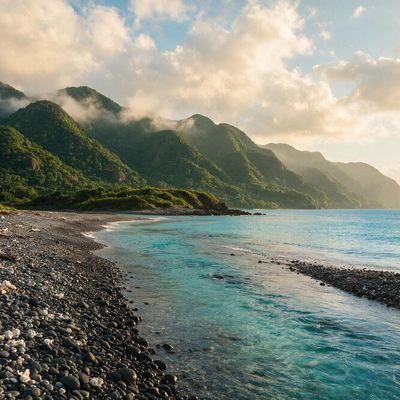
 Mona
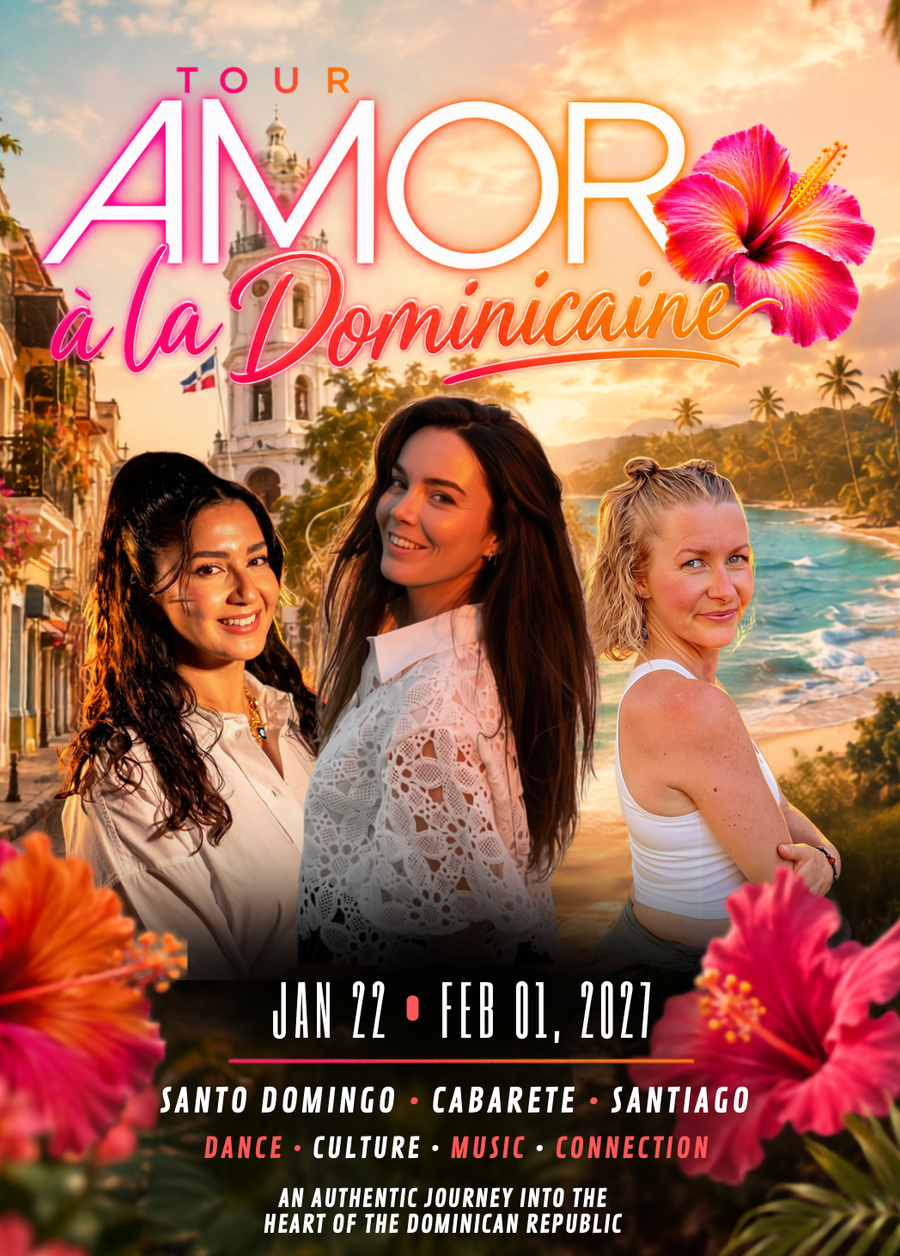
Amor à la Dominicaine
A dancing cultural immersion in the Dominican Republic
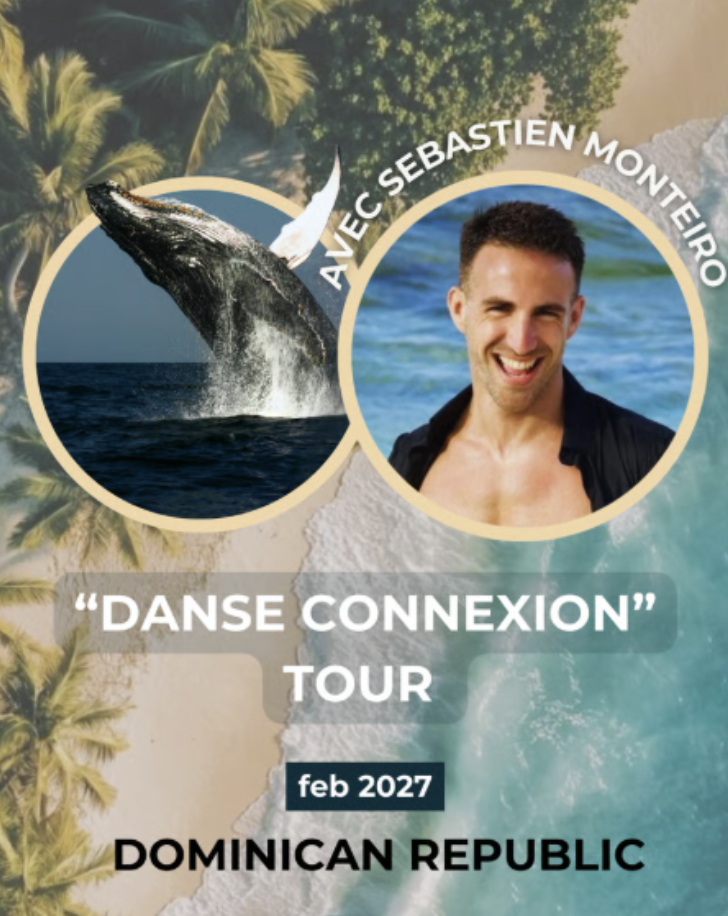
 Sébastien
Danse Connexion
Dance. Meet. Live.
.png)
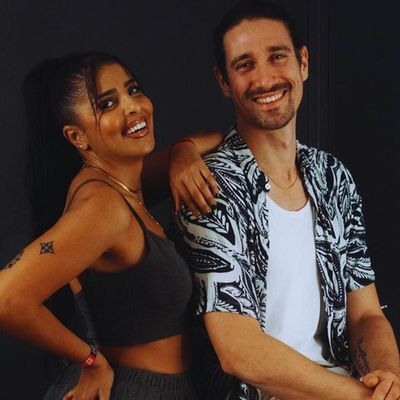 Pauline, Wissem en Remy
Les Marseillais
A cultural immersion in the style of the Marseillais
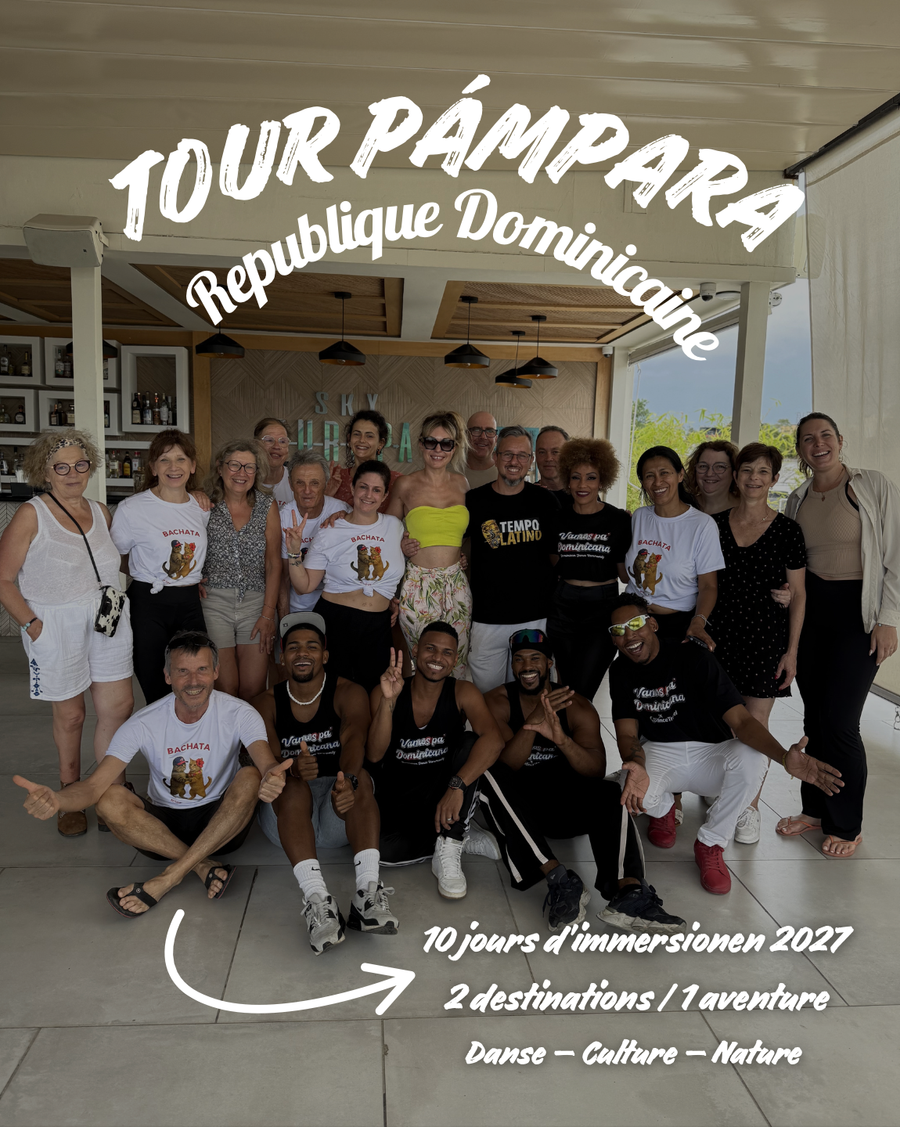
Pampara Tour
A cultural and dance immersion
 Anacristina
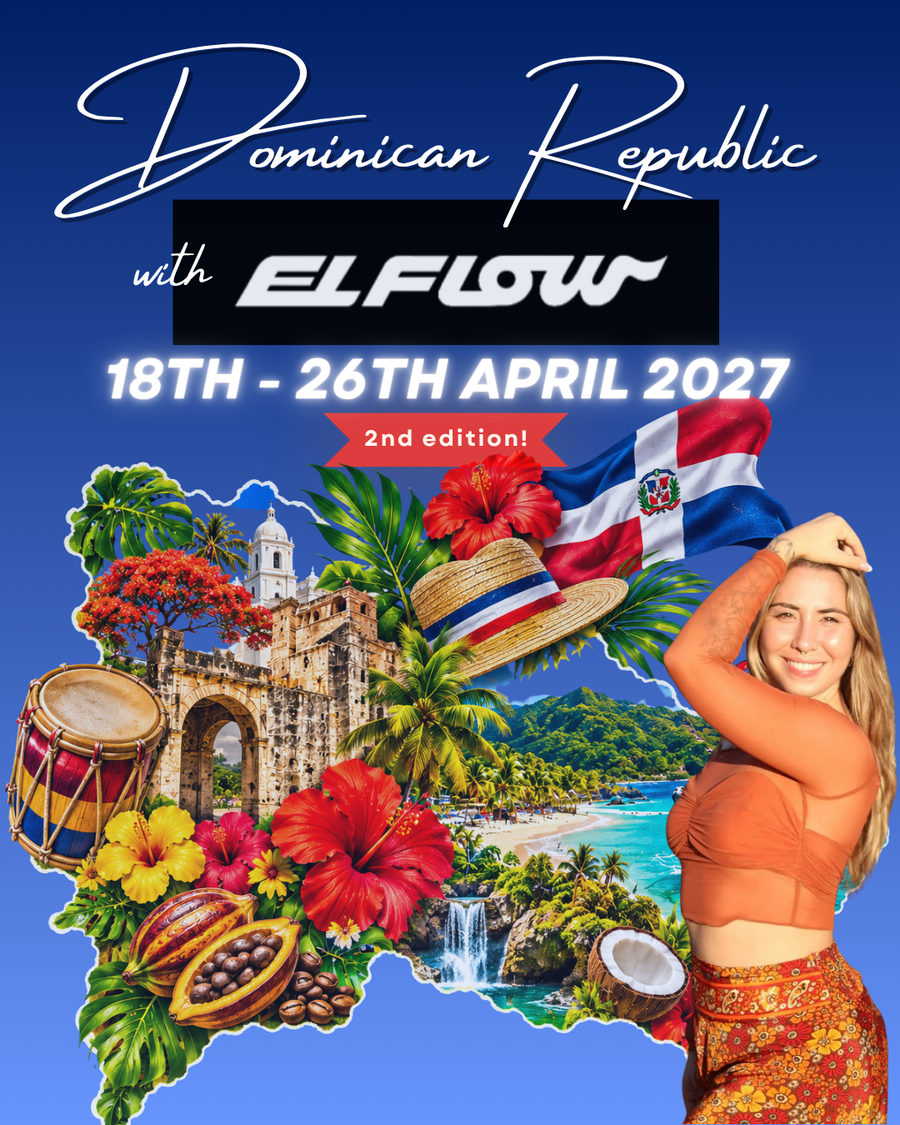
El Flow República Dominicana
Santo Domingo, Cabarete and Santiago, nine days in the Dominican flow
 Javi
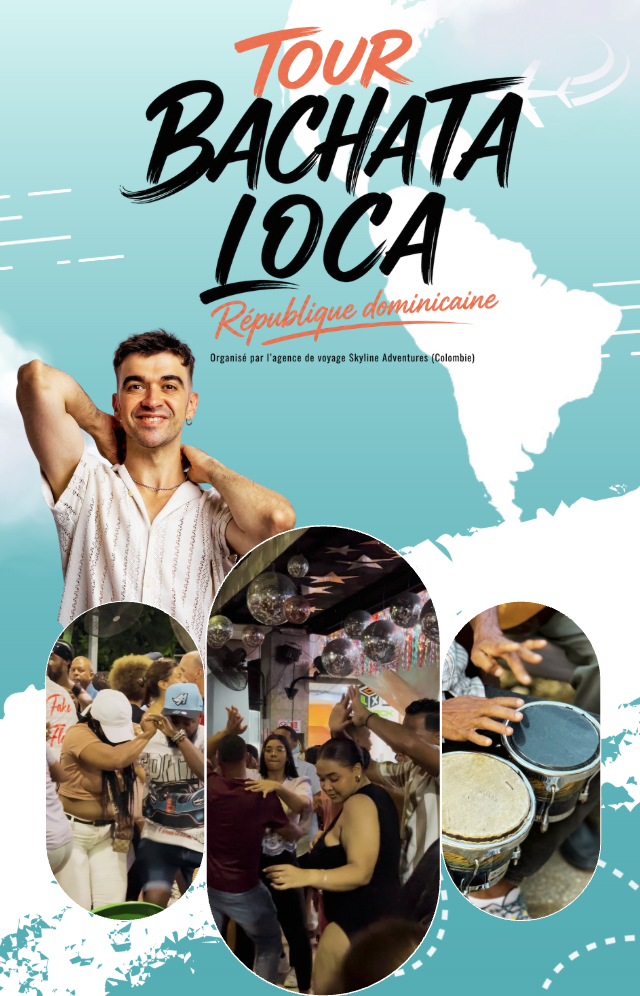
Bachata Loca - Tour in the Dominican Republic
A dancing cultural immersion, guided by Javi, dancer and teacher
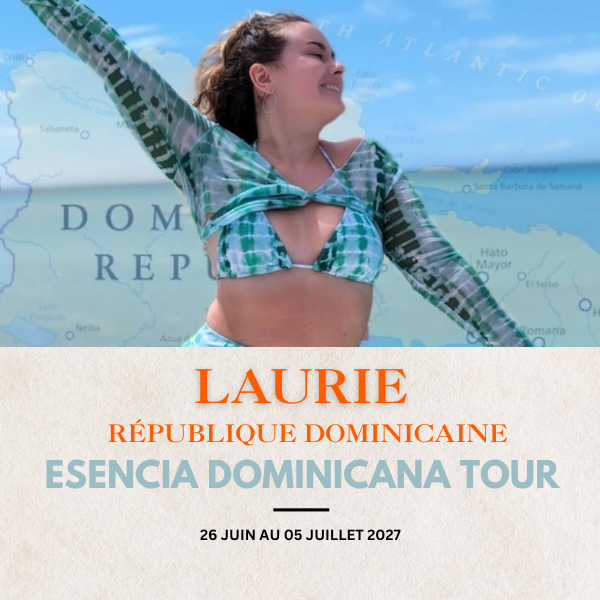
 Laurie
Esencia Dominicana Tour
A dance-based cultural immersion
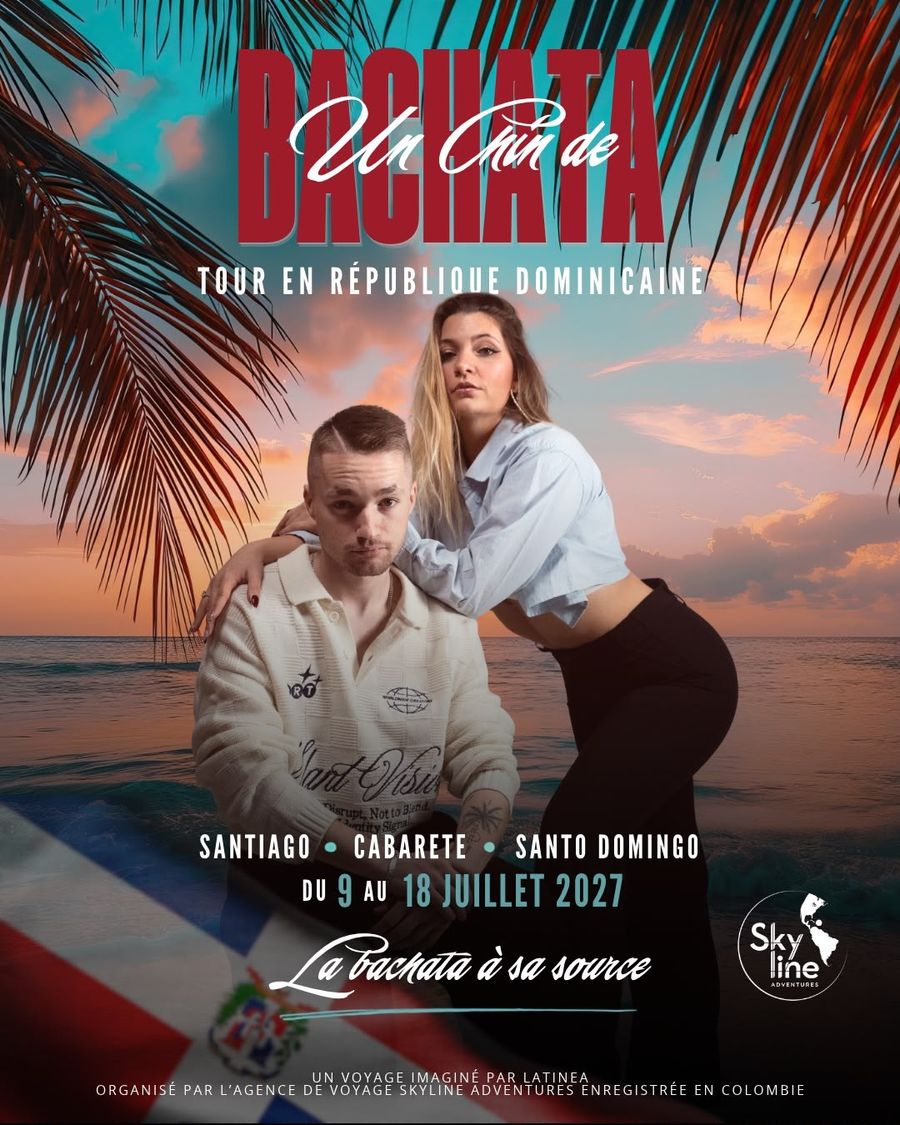
 Fanny & Kevin
Un Chin de Bachata
Bachata at its source, in the Dominican Republic

 Theresa & Bianka
Bachata Glow Retreat
Dance. Feel. Shine. And be yourself.
Kies een reis in plaats van een plek
De meeste mensen kiezen op de dans en de data, niet op de kaart.